Full transcript
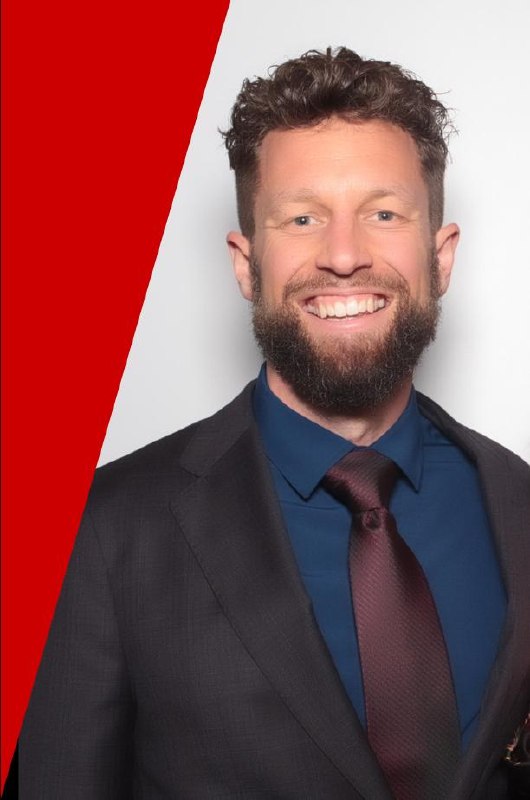
Welcome to the GMAT Strategy Podcast. You're here because you believe there's a better way to study for the GMAT and so do we. We created the GMAT Strategy to maximize your results and minimize your efforts so you can get to the fun parts about business score and life as quickly as possible. My name is Isaac Pullia and I've been teaching GMAT classes and tutoring privately for the GMAT for almost a decade and I've achieved a 99% tell score on the GMAT and helped thousands of students get into the business schools of their choice. I'm excited to be a part of your MBA journey since we all at TGS think our world can benefit from the best possible business leaders that we can find. If this show is bringing new value, please share it with your friends and family who are studying so that together we can make this process as easy and as painless as it can possibly be. Let's go! Today I want to talk about work and family obligations and how to study for the GMAT focus edition when you have limited time and maybe limited energy. All of us have limits of some kind, some of us are more limited than others, but the truth of the situation for most of us is we're going to keep growing. We're going to keep taking on more responsibilities. We're just that type of person and this is neither good nor bad. It's just learning to live with it, understand it and optimize for it. So what I'm going to do is I'm going to start with a quick start guide for those of you who have serious infringements on your time. You've got kids, spouses, demanding jobs, negative work cultures, that kind of thing. You are the most time constrained people who are studying for the exam. So I'm going to give you a quick three point lesson, super quick hitter at the top. And then for those of you who want to listen more, I'm going to give you some mindset and then I'm going to give you some tactics to implement that mindset. Help overcome the obligations that many of us have and many of us are habitual over committers. And again, that's neither good nor bad. It's just something that needs to be managed or it's going to manage us. So let's jump into the quick start guide and I did my best to put myself in the shoes of someone who's working a lot of hours, who has kids when they're home, who's got a spouse, either currently or divorced. And who has obligations on weekends, either as a result of your personal and family life and or your kids. Basically, you're the most time constrained person and you still want to get a great GMAT score and get into a great MBA program. So if that's you or similar, what can you do? Number one, most important and simplest thing is find a place between work and home. Find a physical space between work and home that you can study. You're not making time yet. That's the most constrained resource. You're just thinking about a physical space that you could study that is not work and not your house. Now, if you're already in a good routine at work with your studies, great. Keep doing what you're doing. If you're already in a good routine at home with your studies, great. Keep doing what you're doing. I'm talking to the people who are like, I have tried everything and I'm just failing. I'm not able to do this. For those of you who have some momentum and you're looking to get to the next level, then you might want to consider this as well, but it would be more optional rather than essential. So this could be as simple as being in the car in the parking lot at work or finding a parking lot on the way to work or maybe it's sitting in the drive through getting your morning coffee. Maybe you typically brew your coffee at home, but you could go out for coffee every morning while you're studying and that would give you five to ten minutes in the car while you're waiting in line to get the coffee. Again, we're not thinking so much about creating time because that's the hardest thing for you to do right now. We're talking about creating space. So the car can work, things like a cafe that you actually go into and spend time there or a restaurant where maybe you order breakfast. And instead of making breakfast for yourself at home, you just go out, you order breakfast and while you're waiting the 10, 15 minutes for them to make the breakfast or bring the check, that's your study time. So the reason that physical space is powerful is physical space dictates a lot of our mental state. When you go back to your hometown, you're probably flooded with a lot of memories from growing up and you're probably not thinking as much about your day-to-day adult responsibilities and you're more thinking about the things you were thinking about, the people you were hanging out with, the places you used to go when you were younger. Same thing when you go to work. You're going to be more likely to focus on work-based things. When you go home, you're going to be more focused on aspects of your personal life. So what we're trying to do is create a space that you can specifically devote to studying because if you're having trouble making time, making that space is going to make that time a lot easier. I know that might sound just totally crazy right now, but I promise you, it works. Now, maybe if you're working from home, you have to leave the house to get your study time or maybe there's a specific place in your house that you have to go that's devoted to study time. The idea is to create a space where your job is to study. Then what you can do is you can start super small with a very, very insignificant time investment within that space and you can build from there. Because the most difficult leap to make, if you've been telling yourself that you don't have time for this, I don't have time for this. I'm never going to be able to get the GMAT time in. I've tried three times and I've failed. It's just never going to happen. If you've been living in that space, but you still want this to happen, going from zero to one is the most difficult leap. Going from believing you have no time to having one minute a day or five minutes a day is the hardest leap. Once you have five minutes a day, you can work on expanding that. Expanding from zero is super difficult. You have no momentum. Expanding from one or from five or from ten might still be a huge challenge, but it's easier. You have momentum in a positive direction there. I want you to start thinking about your daily routine and how you can hack space in between space, whether it's right after you drop the kids off for school on the way to work or on the way home from work to get the kids at school or something like that. Maybe you're taking your kids out to dinner instead of cooking in this season of life and while the kids are playing around at their favorite spot at the dinner place, you get to have five to ten minutes to work on you. It's not going to be pretty. It's not going to be easy, but if you're a parent, that's not news to you. That's step number one. If you have questions about how to do this for your specific situation, you can reach out to us any time on social channels everybody and we'll do our absolute best to help you out. Now, to give you just a little bit of context before I move to the next thing, I've done all of these things. I've studied in the restaurant, I've studied in the car, I've got work done in the restaurant, work done on the plane, work done waiting for the plane. Sometimes it's just building the mindset of where are the in between spaces where I can block as much out as possible and get five minutes of work done, ten minutes of work done and just make that add up over time. I'll get deeper into the mindset stuff later for right now. This is just the tactics for those of you who are the most busy, but I just want you to know this is all battle tested stuff. I know it might sound crazy or weird, but like if you're in a crazy difficult situation, you might need like a crazy weird solution to that problem. It's something to consider. So once you've got your place to study, you don't even need to be thinking about the time yet, but once you've got your physical space, then what I want you to do is I want you to make a list of the key priorities in your life. Start with the top five, if you can go for ten, that's fine. I mean, you can pause the episode, take 30 seconds, make a note on your phone, it might not even take 30 seconds. But just list out your priorities, okay? Think about key relationships, key commitments, physical health, health of your loved ones. What is the specific order that all of those things fall into? Some things might be tied. And then what I want you to do is after you've got the obvious ones down, I want you to think about your kids' commitments on the weekends. I want you to think about activities with your spouse. I want you to think about your personal life. All those things are super important for most of us. And then I want you to think about where does work fit in and where does making your GMAT and MBA goals happen come in. What I want you to think about there is, does getting your MBA enhance all of those other experiences? Because for a lot of you, what this is going to be is an investment. You're going to be investing less in those other things or a season so that you can invest more in a future where you have the opportunity to spend the kind of time and have the kind of experiences that you want with those key relationships. That's what investments are. You're not spending the energy or the time or the money right now. You're putting it somewhere else that's going to pay off later. It's not going to pay off right now. It's the opposite of that. So it's going to hurt now. And it's going to make everything great later. Stephen Covey in the Seven Habits of Highly Effective People, one of the most important business books ever written. Potentially like the greatest business book of all time. Many people think it's the ultimate book. He says our future happiness is a function of how well we control our current situation. I'm but I'm butchering that quote, but that's the basic idea. So the better you can be at controlling the now, the better future that you're going to have by and large. Okay, so those are your first two tactics for the Quick Start God. Find a place between working home. That is your study space and then make your priority list. Now the last piece here that's going to make this come together is you're going to delete anything that's not critical to your top priorities. You're going to look at your schedule and you're going to start deleting everything that's not crucial to this season of life that you're in right now. You're not saying no to these things permanently. I want to make that clear. You are just saying no to them for a season of your life. You're declaring that this is my GMAT MBA season and some of the things that might be a priority and other seasons are no longer a priority. And what you're doing here is you're practicing saying no to things that aren't a top priority. And if you think about it and I'll go deeper on this in a second, that is leadership. The job of leadership is prioritization. There's a billion different strategies that your company could be pursuing right now. Why are you pursuing the strategy you're pursuing? Hopefully it's because some really intelligent and experienced and ethical caring awesome people got together and said, this is the best thing that we can do right now given the landscape. And if you're not, if that's not already your job, that is increasingly going to become your job. So you might as well start small. If you're not able to prioritize the basics, it's going to be very difficult to prioritize the advanced things. So you might as well get used to the feeling of discomfort that comes with saying no to things. Most people are bad at saying no. And that's why they're not getting the results that they want. They're not leading the way that they want. It's actually a very difficult thing. But if you find the space, and you really are honest with yourself about what your priorities are, and then you start deleting things that aren't the absolutely essential survival level priorities for your key relationships and key commitments, you will have made the time that you can invest in that physical space, and you can use that to grow. That's it. If you do those three things, you will be winning versus where you are right now. Now again, if you have questions, reach out any time. Let me give you a couple tips to make this easier because a lot of you might be thinking like, I can't do this because of blank. And that's totally natural. We all have that voice in our head. First thing you can do to help out with this is go to the key stakeholders, your top relationships that you have in your life, and ask them, what does me having a good performance in our relationship look like over the next three to six months, or whatever the timeline is that you feel you can devote to this. Now, those words are super awkward. I'm sorry. I didn't mean for it to come out that awkward. I apologize. You don't have to be a robot. Please don't repeat that. But you want to have some version of that conversation so that you accomplish two things. Number one, the other person understands that you want to deliver for them, that you care about their needs. That's really important when you're going to go through a season like this. And number two, it's really important because they're going to be able to tell you, hey, this is what I need from you. This is what success looks like. Now, there might be some wants mixed in there as well. What I want you to do is stay in the conversation to say, what are the essential things that if I delivered on, we would get the win that we're trying to get here. Have this conversation with as many people as you possibly can. You don't have to tell them you're studying for the GMAT or why you're having the conversation with them. You can go to your boss. You can go to your direct supervisor. You can go to your direct reports. You can go to these key people in your life because I can virtually guarantee. This is not true of all of you, but I can virtually guarantee that for almost all of us, there are things that we're spending time on and working on that we think are important to these other people that aren't. And if you can just delete those things, now you've got even more time and more energy that you can use to invest in the thing that's actually going to move the needle, which is if you're here, your GMAT progress and your MBA. Okay, so that's tip number one. Have those key conversations, take notes, write them down, look at the notes on a regular basis so that you stay in touch with, okay, what's my top priority at work, what's my top priority at home, or what are my top three priorities, whatever the case may be. And then what are the things that I'm spending time on that are not critical to those priorities? That's really just an extension of what I told you to do with the priority list of deleting the things that aren't mission critical. But becoming a better communicator and becoming better at defining what success looks like is also going to be a critical aspect of you becoming the leader that you want to be, which is most of us what this process is all about. Okay, next tip for this, expect to have to recommit to this process at least a hundred times. If you've got family obligations, you're going to get pulled off track by those. If you've got kids, you're going to get pulled off by the kids. If you've got a demanding job, you're going to get pulled off by the demanding job. If you've got a negative work culture that doesn't support you going to pursue your MBA and fulfill your dreams, that's going to pull you off course. There might be days or weeks where you totally fall out of the routine, get knocked off your commitment, you had the perfect plan, you were finally doing it, you had the momentum, and then bam, it's over. Or maybe it's day one where you try out this stuff, I'm telling you, and you just take a total loss on that. And you're like, man, I just, no matter what I do, it's not working. That happens. I'll talk more about this later, but it's very rare that conditions are perfect in terms of supporting us growing to the extent that all of us here want to grow. And the idea is not to be great at managing those right now. The idea is to get better at managing those circumstances that are not ideal over time. So that 100 days or 100 months from now, you're insanely good at it. But you're probably not going to start insanely good. You're probably going to start decent, maybe dad, mess it up a few times, maybe 10, 20 times. And then that 11th or 21st time, you're going to be like, okay, I'm starting to get some traction here. If you just expect to have to recommit to it 100 times from the beginning, it makes recommitting a lot easier. It makes when you get knocked off more familiar and you realize, okay, it's not a problem. I just need to get back in the zone as quickly as possible. That's the second tip. Third tip. Get help where you can. I'm going to list out some options, but there are many other options for this. You can hire a housekeeper. If you own your home or you live in a place where you have landscaping obligations, you can get a meal prep service and you can cut down on the amount of time you need to spend preparing your food. You can get a GMAT coach, someone who can help you optimize the relatively small amount of time that you do have. Perhaps obviously most are all of those things cost money. You're going to be in different financial situations, but if you have the financial means to do those things and you're not doing those things, then that is an irrational choice. And it's good to just accept that that is not rational. Now you might have other emotional, non-rational reasons for doing those things, but I want you to take a hardcore look at that. Because what you're doing here is you're buying back time, which is also going to be a huge part of your progression as a leader. You're going to pay other people to do things on your behalf that gives you more leverage. You might as well start now. You might as well start becoming better at hiring, becoming better at sourcing, becoming better at managing, becoming better at leading. Because ultimately, once you're on that path, you're on that path. And if you're not on that path, it is a perishable skill. Like I think with leadership, the way I understand it and the thing that the most successful leaders around me tell me on a consistent basis is if you're not practicing it, you're getting worse. And the best executives are made, not born. No matter where you are right now, if you keep improving for long enough, you're going to be insanely great, like incomprehensibly great. Okay, the last thing to think about there is for some of you, this will not be a priority until you invest money into it. And I want you to just have a quick honest conversation with yourself. Don't have to share this with anybody. Is putting some money down and hiring a housekeeper for the next six months, going to help you finally have enough of an incentive to get your stuff done on the GMAT side or go down the list of other helpers you can get a virtual assistant or whatever the case may be. Maybe it's maybe it's investing in a program or investing in a personal coach. For some of you, it just won't be a priority until you drop a big number on it. And maybe that's a tool for you personally that you can use. I'm not saying you have to do that. I wouldn't be making, I wouldn't be putting out all this free advice. I mean, it's an absurd amount of free information. If I thought that you had to spend money to make this happen, it's definitely not true. Will investing money help you almost certainly? Will it get you faster results? Almost certainly. Will it get you better results? Maybe. But if you do the free thing and you grind on it enough and you recommit enough, people have done it. People do it all the time. So again, that's not critical. I just want to put that on your radar because I'll say for myself, I waited way, way, way too long to start delegating in my life. Way too long. And the sooner you can get ahead with that, the easier it's going to be for you, the more natural it's going to become. And the more you're going to realize how much you were bottlenecking yourself because of some irrational belief or thing. So that's my quick start guide. Find a space, physical space between work and home that you can study that's neither working or home, ideally. Make a list of your top priorities and then delete anything that's not a critical top priority. One thing that can help you with that is having conversations with key stakeholders in your life about what success looks like in your and their relationship together. And then stopping doing anything that's not related to making that success happen. And then expect to have to recommit to it a hundred times. And if you have the financial means to invest in helps you can buy back some time and energy do that stop not doing that. If you did those things, you would have the time. And you would have the energy and you would be making your real dreams come true. So now I'm going to get into some mindset stuff and some additional tactics, but I just wanted to make that first top of the episode as tight as I possibly could for all of you who are super time constrained. And you just need to like go take action on what I was just saying to get out of the hole or the negative cycle that you're in right now because believe me I've been there. And the voices in our heads and the voices outside of our heads with all the people making demands can get real loud sometimes. And sometimes you got to just take one minute 60 seconds out of your day to knock out what I just said and get some momentum on your side and that that should really do the trick for you. I've used all of these things many, many, many, many, many times in my life and have been super over committed through many, many, many seasons. And I'm definitely not perfect far from it, but I have made significant progress during all of those seasons and it was not pretty and it was not fun and it did not feel good while I was doing it. But I was proud of myself and that felt great and I was I hated the feeling of being a victim of my circumstances and that that was a big driver. So if you have to leverage some of those negative emotions, you know, to get yourself in gear and start moving more toward the positive side like. You know, none of this is medical or psychiatric advice, but I wouldn't be afraid to go there if you have to. So let's talk about some long term additional strategies and a couple mindset shifts that I've personally found super, super helpful that I hope you will find helpful as well. Number one is recognizing that if you did a really serious time audit or like situational audit of your life, you would probably realize that conditions are ideal for you at best 20% of the time. For many of you, it might be significantly less like how many days out of the year or how many hours out of the day. Are you just feeling the way that you want to feel in that moment such that you are easily effortlessly able to execute on the task ahead of you. Have the exact amount of time that you need to execute on that task. And the support from the people around you and the distraction free environment, I mean for some of you, you're laughing so hard because it is 0% of your time. So the question then becomes once we accept that conditions are rarely perfect. And that if we want to have the things that we want and we want to be the elite performer that we know we're capable of becoming and that we're on a journey to be through this MBA process, we're going to have to find a way to get results despite conditions not being perfect. And the question is, are we going to be the kinds of people who just accept that because conditions are not ideal, we cannot make our dreams come true. Are we going to be those kinds of people or are we going to be the kinds of people who recognize. Okay, conditions haven't been perfect for like my whole life and somehow I have still gotten things done. You think about the lifespan, like maybe you had the perfect childhood and that was your 20% time and then all of adulthood has just been like, oh my gosh, what's happening. Or maybe you've gone through a few months where everything was fantastic and amazing and easy. I'm guessing for most of you, it's like close to zero. So here's the thing, if you're here, again, I said this at the top, you're committed to growth. It's unlikely that conditions are going to improve for several reasons. But one of those important reasons that the conditions will probably not improve is because you will continue to take on more and more and more and more responsibilities. You are addicted to it. Let's just accept it. Okay, now I know that's those are really strong words, not all of you are going to relate to that. But if you look at your life thus far and you look at what you're trying to do, you probably want more. That's why you're listening to this podcast in the first place, more of something, more impact, more income, more responsibility, more agency, more freedom. And it's beautiful to want more wanting more is one of the best sources of growth in my opinion. It's not something that should be demonized. But again, it has to be managed because if you're the habitual over-committer, then now you're your own worst enemy. Because if you get your attention flowing in enough directions, you're focused on zero things. There's zero focus. And without focus, it's going to be really, really, really difficult, if not impossible, to get the big gains that you want to see, to become the kind of performer who you really want to be. And so that's why the theme of this episode is going to be deletion of things, not addition of things. Too much of the current social narrative is do more. And there is a time and a place to do more. But for a lot of us, we should be doing more of fewer things. Let me just reiterate that. So if you shrink the number of priorities you have, the number of things you have to focus on, you will be able to devote more time, attention, energy to those fewer things, which means your performance in those things will probably improve. One of my performance coaches said this a really beautiful way I thought, where someone was asking me about burnout. And he was like, well, how do you burn out the sockets in your house? You have too many things plugged in. Too many things are turned on, plugged in, sucking the juice out of the circuit that has a limited amount of bandwidth. You've got to start unplugging things. And then you'll be less burned out. Again, it's not easy. Like I said, most people are not very good at saying no. And we live in a very abundant era of human history for a lot of us, obviously not all of us, but for a lot of us, there's too much opportunity. Like think about the percentage of human history, where people were worried about not having enough food versus the percentage of human history, where people are worried about eating too much, like to compare those percentages. So it's just one example of how we have an abundance of opportunity and an abundance of distractions. This is why I made the distraction episode recently. It's too easy to get going in too many directions. Okay, so let me continue along this path. If this is helpful, if it's not please stop listening to this. Don't let me take up more of your time. Just go to the next episode or a previous episode that's focused on something that you need help with. I want you just listening to me for the sake of listening to me. I want my time with you to be the highest impact it can be. Okay, some of you need the tactics and some of you need the mindset, like this is really hitting home for some of you. So the key with what you're doing right now is you're working on becoming a better learner. And you're working on becoming a better learner because you're accepting that to get what you want, you have to keep learning and progressing and improving while at the same time, taking on more and more and more responsibility. So what I'm what I'm telling you here is to become a better prioritizer and to use your priority list to make sure that you're not investing significant energy and something that's not really moving the needle for the key relationships key stakeholders key projects you have. Okay, so the key question to ask yourself to move yourself closer where you want to be is how do I how do I become a better learner because of this pressure and stress. How am I going to become a better learner learner as a result of the conditions not being ideal in my life. If we can't answer that and then basically we're saying that we don't want to grow in any other arenas and that we're completely satisfied with where we are right now being overwhelmed and stressed out and my guess is that's not the case, okay. So again, as a leader, there's always going to be more things to do than you have time for and probably more things to do than your team has time for as well. And so you're helping them prioritize and you're doing the prioritization for the organization and again that that starts with you being a good prioritizer and delegator. Now, for some of you, you need to just accept that it's possible to become a better learner because the conditions are not perfect and I'm going to talk to you more about this in a section just bear with me here. This was a really difficult part of this pod to construct and I spent many, many hours refining it and I ultimately realize that this was probably the best it was going to get so I apologize if we're kind of. Not feeling as focused as my typical content, but I promise I'm going somewhere with this. So the key is realizing like you may not be willing to do what you have to do to become a better learner right now, but the key is to accept that it is possible. And when you're thinking this isn't going to work for me, you stop even trying to invent a solution and you just accept your circumstances the way that they are. That's very dangerous if you're a growth oriented person like that's that's the way to becoming super unhappy if you're growth oriented some people just want the simpler things in life. That's awesome. I think that's super beautiful and as someone who doesn't really relate to those kinds of people super well, I really appreciate them because like I'm not just I'm not just about that. I enjoy the simple things I do say for those I am very intentional about it, but the key is like I usually like I'm going to do that for a while and I'm going to be like cool what's next like that's just me and a lot of you are probably that way and that's that's why you're here in the first place. So you don't want to become the type of person who's building the habit of just accepting the circumstances being in control of whether you can learn and grow again that's that's going to be that's going to be you not learning and growing which is going to lead to you really not doing the thing that's very fulfilling for you as a person. And we need learners and growers that's why I'm doing the pot everybody the world, the more of you who go to business school and become even better leaders than you are already right now. The better this world is going to be like we could solve just an absurd number of problems playing in the world if we had enough great leadership. There's a good there's a good saying in one of my communities there's no bad employees there's only bad leaders. Now there are definitely limits to that. But the idea is it's a helpful frame to help leaders look at themselves instead of putting the the the the the the locus of control outside of themselves. Okay, but I'm kind of getting off track here. But but if you have that belief if you're constantly noticing that you're telling yourself this isn't going to work for me. I don't have enough time. I'm too resource constrained. There's no way I can make this happen. I've tried a bunch of times before and it's not working out. You just have to force yourself to admit that that's not true and that you're choosing you're choosing to believe that that's not actually a true belief. There are things that you could do that would get you more time like you could quit your job. You could abandon your family. I'm not saying do that. I'm not saying that's a good idea. I'm just saying like admit it's possible that there are things that you could do to make time you might not be willing to do it. But you want to cultivate that mindset so that you can eventually get down the list to the things you are willing to delete. Okay, so that's just for you folks who have been super stuck with this mindset. Let's talk about the things that are great about a resource constrained environment and why it's actually a positive if you're time constrained right now. Okay, so let's start getting into how do I become a better learner because of the pressure and stress that I am facing. Number one, being under pressure and stress and not having it easy in this process having the process be super tough forces you to accept. That it's unlikely that things will get easier and so that therefore the only alternative. The only alternatives are to either stay exactly where you are stuck forever or get better anyway. Okay, it forces you to accept that and for for a lot of us we need that pressure to get in motion. We have to realize like oh no, I am so afraid of staying exactly where I am that I just have to get myself in motion. Here is an extremely powerful motivator again, none of this is psychiatric or medical advice at all. I'm just saying that if you put a mouse in a tube and you put cheese in front of it, it's going to run toward the cheese. But if you put the smell of a cat behind it, it's going to run twice as fast. So it's just something to think about. Think about am I okay staying where I am or do I have to become like do I have to cultivate a different mindset? It's going to force you to cultivate that different mindset. Second, it forces you to use the time that you do have extremely well. You have to be way more strategic and way more intentional with the limited time that you do have or you're not going to get results. You're just not going to get results at all. You have to seek out better advice. You have to delete bad advice. There's no room for you to take bad advice because you have such limited time and energy to work on your projects and move the ball down the field. So these are two reasons this is a really great that conditions aren't perfect right now. It's forcing you to level up. Third, it forces you to be present with the actual work that matters. You don't have the luxury of being distracted when you're working on the key items, which usually means you produce higher quality work. If you get distracted, you're not going to be able to deliver the goods. You're not going to make the clients or the bosses or whoever happy. And you're going to get cut from the team again. Like I'm not saying that you should strive to live in that situation. I'm saying that if you have those fears, that might be an asset right now. Next, it forces you to be more present with your personal obligations, with your family or with your personal relationships in your life. Everything has to be scheduled out in advance. It must have a clear start and end time. There has to be clear communication with your partner about who's doing what and what the roles and responsibilities are. Again, it forces you to be a better leader, a better structureer of time, energy, and resources. That's what you deploy and manage as a leader, time, energy, and resources. Or just resources. How about that? That produces higher quality relationships. When I've only got three hours to spend with my spouse on a Friday night, because of all my other commitments, that three hours has to be great. It has to be a positive experience, otherwise I'm going to lose that relationship. So it puts that additional pressure on me, which forces me to build a higher quality relationship. I have to be present in that moment. I'm blocking everything else out. Because if I'm thinking about everything else, I'm not enjoying the moment and we're going to have a bad time. Next, it forces you to improve your communication skills. It forces you, if you have a resource constrained environment, you don't have very much time. It forces you to be more direct. You don't have time to beat around the bush. It forces you to be more empathetic because you're being so direct with people all the time and they're probably not used to it. And they're like, what the heck? That's the kind of offense. Kind of offense. It forces you to be a better listener so that you can make the person feel heard and get to the sense of completion of the conversation faster. And it forces you to be better at conflict resolution because you don't have time for the conflict to extend. It just, it's not an option. So these are all the reasons that it's good that you're in this season right now. If you're in that super high pressurized season. But if you don't force yourself to adopt those mental frames and treat it as a positive and use it as wind in your sales, then the default is going to be the negative view. And that's going to get put that's going to take you further from where you want to be. It's not going to get you closer where you would be. Now the last thing here, if forces you to set a better example for the people around you. Ultimately, leadership by example is not the best way to lead. It's the only way to lead. I think that's a Vince Lombardi quote. Leadership by example is not the best way to lead. It's the only way to lead. So I'm in the ballpark there. In general, this is not true across the board, but in general, people are going to adopt what they see you do. They're going to adopt how they see you do it. Seeing is believing in our culture by and large. It's less about what you tell them to do. Certainly what you tell them to do can help. But if you're telling them X and they're seeing you do the opposite of X. That's not going to go well. We're going to go really badly, basically. We all know what that looks like. And we've probably all interacted with leaders like that. It's not a good situation. This scenario, this season, is going to force you to show the important people around you, whether it's your kids or your friends or your family members or the people at work, whoever is around you. You're going to show them what being an everyday superhero looks like. You're going to show them what handling pressure better looks like. You're going to show them what better self-care looks like in prioritizing your sleep, prioritizing your personal commitment, prioritizing the only the key things at work, that matter and deleting everything else. I'm going to give you some tactics for this in a second. I'm just working on the mindset piece first. And the key is you're going to show them all those things even if it feels hard. You're going to show them what hard feels like and what handling hard well looks like. And if you really care about the people around you, you want to show them that. And they want to know how to do it. This is a really, really interesting deep truth of leadership that I've been contemplating recently, which is, I don't know anybody who likes being streaky, who likes being hot sometimes and cold other times or high sometimes and low other times, or killing it one week, getting killed the next week. I don't know anyone who's like, I love that. Most people who I'm around are like, how do I kill it all the time and keep killing it? How do I just keep getting better and not fall off or fall off the minimum amount? I don't know if anyone's perfect with this, but just the maximum that we can attain. I think everybody wants that. And honestly everybody, I really don't know how many great examples there are of that happening that we can see on a day and day out basis. And if any of you have additional perspective on this, I'm super open. Again, it's something I'm actively contemplating. I'm just thinking through it with you here live in real time. But I think it's very relevant to what I was just talking about, because for some of us, we're not going to step our game up until there's pressure. And that can be a good thing. So being the demonstrator is really important, because a lot of times in a lot of situations everybody, if we don't demonstrate what that looks like, all the people around us are never going to see it. They're never going to have that example, and they're going to stay hot and cold, and they're not going to reach their full potential. And again, this is a huge reason I do this work, is that all of you have at least the potential to be that person, that shining example. If you aren't already, like many of you are already that shining example, and you're going to the next level, that's also super, super important, because the more people who see what success looks like, they can visually see it. I'm looking at this person, and I can just see and feel this person has their stuff together. This person is doing great. It's an interesting experience. The more of those people we have, the more of those people we will have, and the more problems are going to get solved. So let's move into some tactics for how to actually implement that. Like, okay, all of that sounds great, Isaac. Like, what do I do? Step one is accepting one of the most important maxims that I've ever learned from Peter Drucker. If you don't know who Peter Drucker is, he's basically like the godfather of modern large organization management science. You will almost certainly learn about Peter Drucker in B-School if you haven't read any Drucker yet. But if you like reading and you want to start with some Drucker, I would say the effect of executive is really, really great. And then there's a good book called The Daily Drucker, which is like little excerpts from a wide variety of his writings that are super short. So if you're really time constrained, The Daily Drucker is awesome. You can keep it on your desk, and I mean, he is a genius, in my opinion. One of the most important things I learned from him is simply by tracking things, they automatically tend to improve. Even if you take basically zero action to like improve the thing, if you make a metric and you track it, it naturally starts to get better. Now, I don't understand exactly how that works, so I'm not going to speculate, but I know that it works. And it's particularly true of tracking things over time. Think about if you tracked your finances every day. You knew every transaction that was going in and out on a day-by-day basis. Do you think you would be in a better position financially 10 years from now versus if you never looked at that? Obviously, that's an extreme example. Or if you looked at it once a year or once a month. The more often you can look at the data, probably, on average, the better decisions you're going to make. So the first thing you want to do is just do a time audit. Just audit how you're spending your time. It could be really, really simple notes in your calendar, or it could be simple notes on your phone, or you can use something more extensive like an app that's specifically designed for this. I use an app called toggle, T-O-G-G-L, T-O-G-G-L tracker, toggle tracker. And it's got some cool tools in it to look at a data readout of how you've spent your time over the last week, month, day, et cetera. But by tracking how you're spending your time on a regular basis, you automatically will get better at managing your time. And the goal is to have a snapshot of a day and a week that you planned versus how you actually spent it. That is extremely powerful, extremely, extremely powerful. I highly recommend doing a time audit for a week. You can revise it as needed. You can definitely do it on-going low, but even just doing it once. Or even just doing it once a year or once a month can be massive. Definitely include your screen time on your phone and on your computers. And it'll just help you become more aware of time wasteers. And that's really, really valuable in general for the future if you want to do big stuff. You're not going to have time for time wasteers. First thing you can do as a time audit. Second thing you can do is make sure that you're creating a daily and a weekly plan that you can see in either one page if you're doing it physically or one window if you're doing it digitally. And the key is you've got to see the scoreboard of how you're spending your time. Both in terms of what you're planning and what you're actually spending it on. And the key realization that I had to accept is if the system I had was good enough that I would have time for everything I wanted to do already. So I'm not trying to insult your system. I'm just saying if it was good enough, you would be perfectly balanced with time. And so if you're not perfectly balanced with time, you just accept your way of tracking your time and managing your time is not good enough yet. And that's great news. You can improve it. And if you improve it, you will have more time for the things you want and you will have more of the life you want. I mean, it's just so painfully obvious. So the ways to improve how you're spending your time already talked about the priority list. That's absolutely massive. A second thing that I've found helpful for a lot of people. I sound a little bit weird, but it definitely gets the job done. Is declaring a season and making a mantra for that season, like a slogan almost for the season. One to five words is usually good. And this can help you stay focused on the optimal mindset for executing on your season. So your season might be less is more. Like I'm going through a less is more season right now. Where I'm taking away a lot of things that I was spending time on that aren't key to my overall long term mission. And it's been super stress relieving everybody. I mean, it's really hard to say no to those things. There are a lot of things I really like to doing. But again, I've realized I just have to become a better prioritizer if I want to become the person who I want to become. And saying no to things as hard, that's why a lot of people don't do it. And that's why a lot of people are spread too thin and they're not effective. So having a mantra like deletion, not addition. I think I said those words earlier in the app. That could be a really good mantra. I don't know what your mantra should be, but like just picking an internal one, even if it's like a little cheesy, can be super, super helpful because it can just help help you recommit. Again, it's just help you remind, remind yourself like what am I focusing on right now. That's a good tactic. A third good tactic is just accepting and getting comfortable with the pain of cutting things off when the time is up. When the time limit has come, it's usually difficult to stop doing things. Most of us don't like to stop doing things when we're in the middle of something. First of all, there's momentum. All things want to keep doing what they've been doing in the universe. This is like physics. And I think there is like kind of an emotional component to that for human beings. And there's also something called unit bias. If you know anything about cognitive biases, there's a great book called Thinking Fast and Slow by Daniel Coniman, where he talks about a lot of cognitive biases that virtually all people have. And one of them is unit bias, which is the overwhelming emotional desire to complete one unit of something. Most people find it very uncomfortable to stop a movie halfway through. You want to finish the movie or stop a meal halfway through. You want to finish the meal or stop a project halfway through. You want to get to completion on the project. It's emotionally satisfying to complete things because then the brain stops working on it. But what's interesting, that learning science has shown recently, is that if you stop in the middle of a learning task or a productive task, your brain keeps working on it in the background. And that's why the brain doesn't like it. It soaks up more resources. But it's actually good for your learning process. Like you progress faster in any particular subject if you do take those pauses in the middle of things. So one thing you can do to become a better manager of your time is recognize this is the deadline. This task is over. I will reschedule continuing to work on this task at a more convenient time. But right now it's time to move on to my next commitment. So I don't get behind on my day. Now some of this is super basic. Some tasks cannot be pushed like that. They have to be completed in the moment. That's fine. But the thing I'm putting on your radar is building the skill of tolerating that pain. Like it can be very painful to do that thing, even if it's the right thing to do. It can be very painful to say no to things that you would like to do. In favor of doing other things. Investing is really painful for a lot of people. A lot of people just want to spend all their money and not invest. We all know how that's going to go. If you made a priority list, if you made a mantra for the season you're in, and you got comfortable with the pain of cutting things off, you would be three times better at managing your time. I don't know. I can't guarantee that, but that seems reasonable. Okay. So first tactic, time on it. How are you spending your time? Second tactic, revise your calendar and your planning system so that you can see a snapshot of how your time is being planned. If you can't see the scoreboard of a game, you're not going to be able to call the right play. And then tactics to help you improve that is making a priority list, making a mantra for what season you're in and getting comfortable with the pain of cutting things off in the middle of it. Okay. Next tactic. Track your sleep. Again, just by tracking it, it'll improve. It doesn't even need to get better. You just want to create awareness. And it will naturally help you optimize the situation. Smart tech can help you with that. And I've already made recommendations in past episodes. I really like the Rise, Sleep, and Energy app, because I don't wearable tech helps me, makes me sleep worse. But some of you might be big on the watches of the rings. I've tried them all. They're awesome. I'm super into the tech side of it. But yeah, there's an option for you if you don't like the wearable tech thing, or you're financially constrained. There are free apps like Sleep Cycle, I think, is totally free. Sleep tracker. Just track it and look at it. Just by tracking it, it'll improve. Last thing for you here, okay? This is one of my favorites. Track the excuses that you make, and that you hear other people make. Just have a note in your phone where you write down all the excuses that you hear on a day-to-day basis. Again, you don't even have to do anything to change it. But just by tracking the excuses that you come across, you will start to recognize them. And I promise you will end up making fewer excuses, taking more responsibility and getting better results. It really creates a lot of extra awareness around how you're rationalizing, not doing what you're supposed to be doing. Now, some excuses are totally valid. I'm not saying delete all excuses. I'm saying track all the excuses so that you can start to delete the ones that aren't serving you again. Deletion, not addition, is the theme of this pod. There's total magic in all of this. I tried to give you enough that you can make substantial progress, but not too much that it's overwhelming. If you feel like I gave you too many tactics, and you're just swimming in tactics, just relist into the app and pick the one tactic that really stands out to you. Just pick one and start implementing that one thing. Every thousand mile journey begins with one step. If you can get some momentum with one of these things, then you can come back and you can start building on that positive momentum. Again, going from zero to one is the toughest move. As always, if you have questions about any of this stuff, feel free to reach out to us. We're happy to talk through anything you're dealing with. That's particularly challenging. We want to help you succeed. We want you to go to business school, become an incredible leader, have the impact on the world, have the material success that you want to have, if that's important to you. The more people who do that, the better the world is, in my opinion. As always, my greatest hope is that this material will make your studies as easy and as painless as they can possibly be. If you want more tips and strategies for optimizing your performance on the GMAT, as always, head to our website, the GMATStrategy.com, and check out our free video presentation on how to achieve your dream GMAT score in half the normal time. In the meantime, this is a weekly show, so please subscribe, and as always, stay positive and stay consistent with your studies. I'll talk to you all soon.